

Blog · India
Leh Ladakh for first-timers: acclimatisation and planning
Ladakh is high-altitude country. Planning your first two days properly is the single most important thing for a good trip.
Why the first day is for rest
Leh is at roughly 3,500 metres. If you fly in from the plains, your body needs time to adjust to the thinner air. That is why every one of our Ladakh itineraries starts with "Leh arrival" and nothing else planned: rest, drink water, and take a short, easy walk in the evening at most.
Signs of altitude sickness
Headache, nausea, dizziness, breathlessness at rest and poor sleep are common signs. Mild symptoms usually settle with rest. If they get worse, tell your driver or hotel immediately and go lower; do not continue to higher passes. Talk to your doctor before the trip, especially if you have heart, lung or blood-pressure conditions.
Go higher gradually
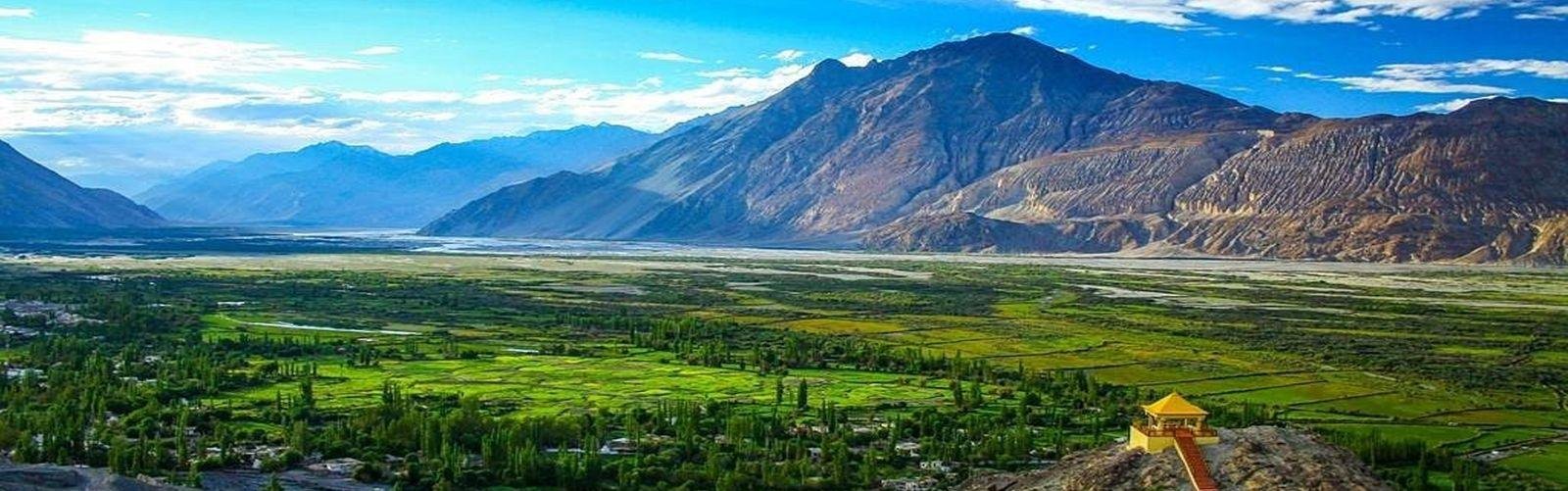
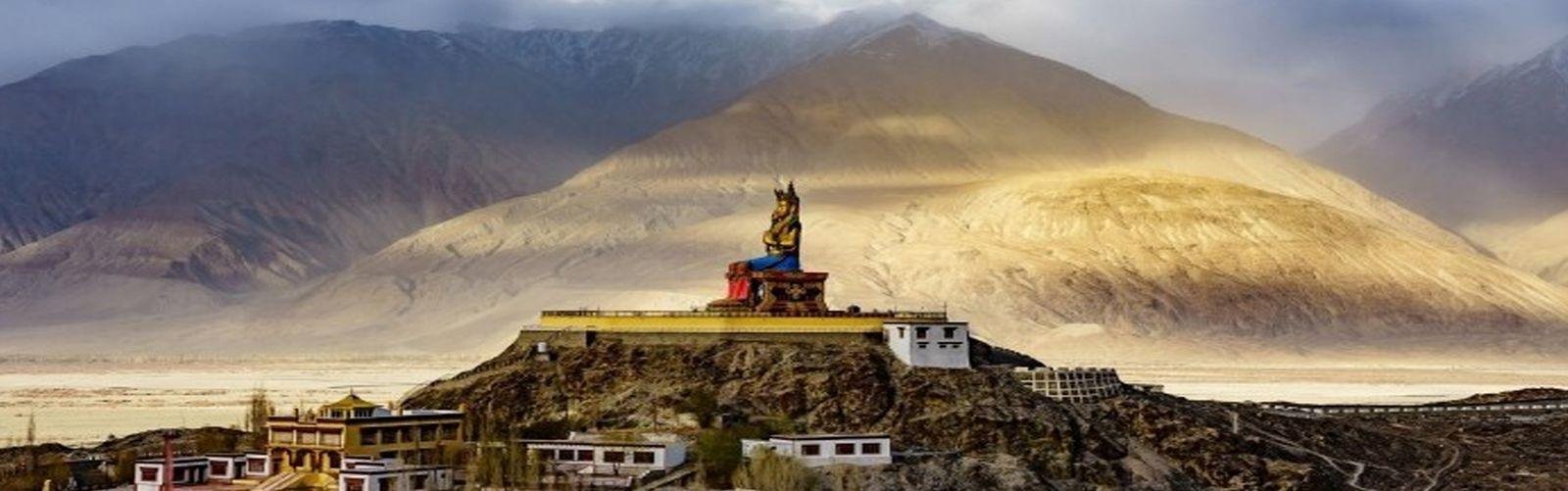
We keep the first sightseeing day lower and nearby (monasteries or Sham Valley) before crossing high passes such as Khardung La on the way to Nubra, or Chang La towards Pangong. Sleeping at a lower altitude than the highest point you visit also helps.
When to go
The main season is roughly May to September, when the roads over the high passes are generally open. Early and late season can be very cold at night. Winter trips are possible, but roads and facilities are limited.
How many days
- 4 nights: Leh, monasteries, Khardung La and Pangong or Sham Valley.
- 5–6 nights: adds Nubra Valley overnight.
- 7–8 nights: Nubra and Pangong overnight, plus Tso Moriri in our longest plan.
Permits
Areas such as Nubra, Pangong and Tso Moriri need permits, and the rules differ for Indian and foreign nationals. We arrange them as part of the itinerary and check the current rules for your dates.
Questions travellers ask
Can children and senior citizens visit Ladakh?
Many do, with a slower plan and a doctor's advice beforehand. We add rest time and avoid long days at altitude for them.